1,000 True Fans Was Right: Why a Small, Obsessed Audience Beats a Million Passive Scrollers
Every artist has had the same daydream at least once. The post blows up. The notifications won't stop. Strangers from everywhere are suddenly paying attention. It feels like the moment everything changes.
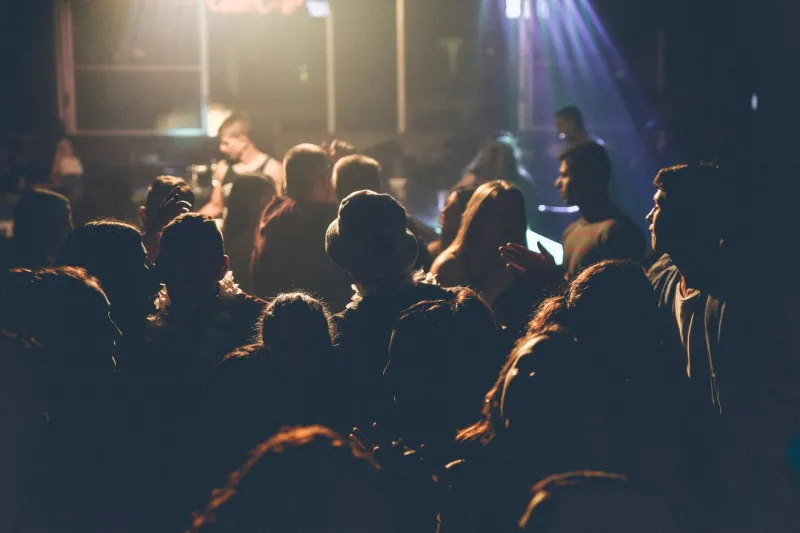
Except, for a lot of creators, it doesn't. The spike comes, the spike goes, and three weeks later you're back to the same audience you had before — except now you're exhausted and weirdly deflated. Viral moments are seductive. They're just not always useful.
What's quietly replacing that obsession, at least among the artists who seem to actually be building something lasting, is a different kind of goal: depth over reach. A smaller crowd that genuinely cares, instead of a massive one that barely noticed you.
The Number That Changed How People Think About Audiences
Back in 2008, writer Kevin Kelly floated an idea that felt almost counterintuitive at the time. He argued that any creator — musician, visual artist, writer, filmmaker — could make a real living with just 1,000 true fans. Not followers. Not passive likes. Fans who would buy everything you made, show up to your events, tell their friends, and stick around.
The internet has only made that theory more relevant. The tools to find, connect with, and sell directly to a niche audience have never been more accessible. And yet so many creators are still optimizing for the wrong metric — chasing reach when they should be cultivating relationships.
The math is pretty simple once you see it. A thousand people who each spend $100 a year on your work? That's a six-figure creative career. A million passive followers who would never open their wallets? That's a vanity number.
What Deep Engagement Actually Looks Like
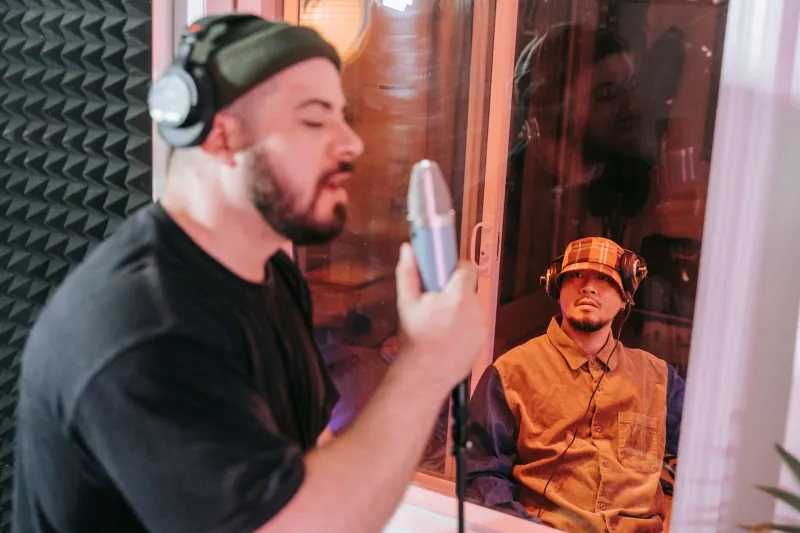
Take the independent folk musicians who've built entire ecosystems around Bandcamp pages and newsletter lists. No major label, no Spotify editorial playlist, no viral TikTok moment. Just a few thousand listeners who pre-order every release, fund recording sessions through direct support, and show up to every small-venue tour date.
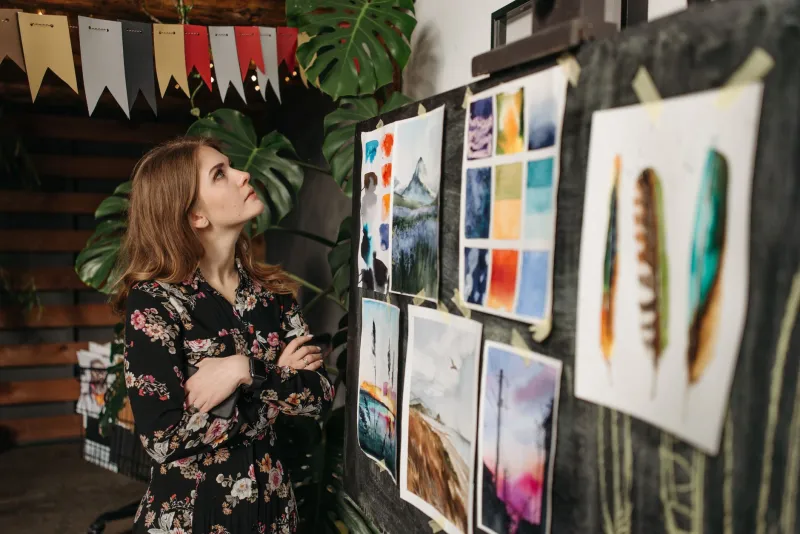
Or look at the visual artists who've built Patreon communities around their process — not just the finished work, but the sketches, the failures, the behind-the-scenes thinking. Their subscriber counts would never impress a brand deal pitch deck. But their monthly income is stable, their audience is emotionally invested, and they're not at the mercy of whatever the algorithm decided to do this week.
This is what a niche community actually looks like in practice. It's not glamorous on paper. It doesn't make for a great screenshot. But it tends to last.
The Psychology Behind Why Small Audiences Are More Loyal
There's a real reason why someone who finds your work through a niche community behaves so differently from someone who stumbled onto it through a trending hashtag.
When a person finds you through a specific, tight corner of the internet — a Discord server for a particular genre, a subreddit for a very specific aesthetic, a newsletter recommendation from someone they trust — they arrive with context. They already know something about what you do. They chose to be there.
Contrast that with a viral moment, where the audience is essentially random. Most of them won't connect with your work beyond the one thing that surfaced. They're not looking for you specifically. They just happened to be scrolling.
Loyalty is almost always built on recognition — the feeling of this person gets it, and so do I. That's nearly impossible to manufacture at scale. But in a small, specific community? It happens naturally, almost constantly.
How to Actually Find Your People
This is where a lot of advice gets vague, so let's get specific.
Start with what you're already obsessed with. The most sustainable niche audiences form around genuine specificity, not manufactured positioning. What are the weird, particular things about your work that you'd talk about for hours if someone let you? That specificity is a signal. Lean into it.
Look for the communities that already exist around your interests. Before you try to build an audience, go find where your potential audience already hangs out. Genre-specific subreddits, Discord servers, Facebook groups, niche newsletters, small music blogs — these spaces are full of people who care deeply about exactly the kind of thing you make. Show up there first as a participant, not a promoter.
Give people a reason to go deeper. Casual followers stay casual because there's nothing pulling them closer. A newsletter, a Patreon, a private community, even just a consistent comment section where you actually respond — these are the mechanisms that convert someone who liked a post into someone who actually knows your work.
Stop treating every platform the same. Instagram reach and email open rates are not the same thing. Someone who gave you their email address made a deliberate choice. Treat that differently than someone who double-tapped a Reel. Your most engaged people deserve more of your attention than your biggest numbers.
The Trap of Optimizing for Discovery
Here's the thing nobody wants to say out loud: a lot of content that's optimized for discovery is quietly terrible for building a real creative identity.
When you're writing for the algorithm, you're writing for strangers. You're making work designed to be immediately legible to someone who has zero context for who you are. That pressure pushes everything toward the safe, the familiar, the easily shareable.
When you're making work for your actual community — the people who already know you, who've been following your creative evolution, who have opinions about your last three projects — you get to go deeper. You get to be weirder. You get to make the thing you actually want to make, because the people receiving it have enough context to appreciate it.
That's not a small thing. That's the difference between a career that feels like a performance and one that feels like a conversation.
The Long Game Is Still the Best Game
None of this means you should actively avoid exposure or turn down opportunities that might bring new eyes to your work. Visibility still matters. The point isn't to stay small on purpose.
The point is to know what you're actually building toward. A viral moment can be a great top-of-funnel event — if you have something meaningful to pull interested people into afterward. Without that, it's just noise.
The artists who seem to find real staying power are the ones who figured out that the goal was never to be known by everyone. It was to be genuinely, deeply known by the right people.
That's a quieter kind of success. It doesn't make for the same headline. But it tends to hold up a lot longer than a trending moment that's already forgotten by next Tuesday.