When Sound Becomes Vision: The Artists Refusing to Stay in One Lane
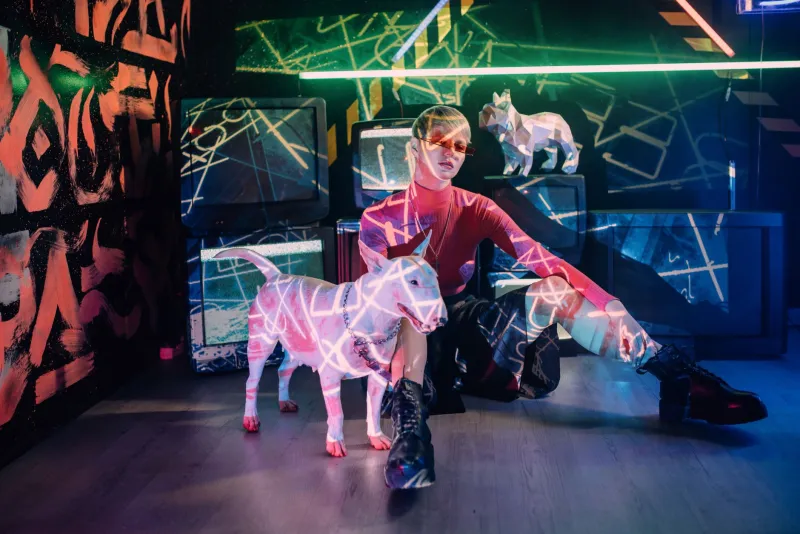
There's a moment in Björk's Biophilia project — the album, the app, the live show, the educational program — where you stop trying to categorize what you're experiencing. Is it music? Installation art? Interactive storytelling? The answer, of course, is all of it. And that's exactly the point.
We're living through a genuinely fascinating period for creative work. The old boundaries between musician, visual artist, filmmaker, and storyteller are dissolving fast. Not because those categories weren't useful, but because a growing number of artists have decided they're too small.
The Brain Already Connects These Things
Here's something that doesn't get talked about enough: our brains were never really separating sound and image in the first place. Synesthesia — the neurological phenomenon where stimulating one sense involuntarily triggers another — affects a surprising number of artists. Pharrell Williams has described associating sounds with textures and colors. Lorde has talked about seeing music as shapes. Billy Joel reportedly experiences music as color.
But even for people who aren't formally synesthetic, there's a deeply wired human tendency to blend sensory experience. Think about how a movie score changes the emotional weight of a scene, or how the artwork on a vinyl record shapes how you feel before the needle even drops. We've always been consuming art in a multisensory way. What's changed is that artists are now designing for that reality.
Donald Glover Basically Rewrote the Rulebook
If there's a modern reference point for this conversation, it's Donald Glover — known in music circles as Childish Gambino. The "This Is America" music video didn't just accompany a song. It was the song, inseparable from it. The choreography, the visual chaos happening in the foreground versus the background, the deliberate tonal whiplash — none of it worked without the other pieces. You couldn't just listen. You had to watch. And you couldn't just watch without the music dictating your emotional state in real time.
What Glover did was create a piece of work where removing any single element would make the whole thing fall apart. That's the hallmark of genuine cross-disciplinary integration, and it's a much harder thing to pull off than it looks.
The Indie Scene Is Where the Real Experimentation Lives
While big-name artists get the headlines, some of the most interesting cross-medium work is happening at the indie level, often with tiny budgets and a whole lot of ingenuity.
Artists like Mitski have used live show staging and visual design as narrative extensions of their albums — her Puberty 2 and Be the Cowboy eras weren't just sonic experiences, they were visual worlds with their own internal logic. Similarly, FKA twigs has consistently positioned herself as a visual and performance artist who also happens to make music, rather than the other way around.
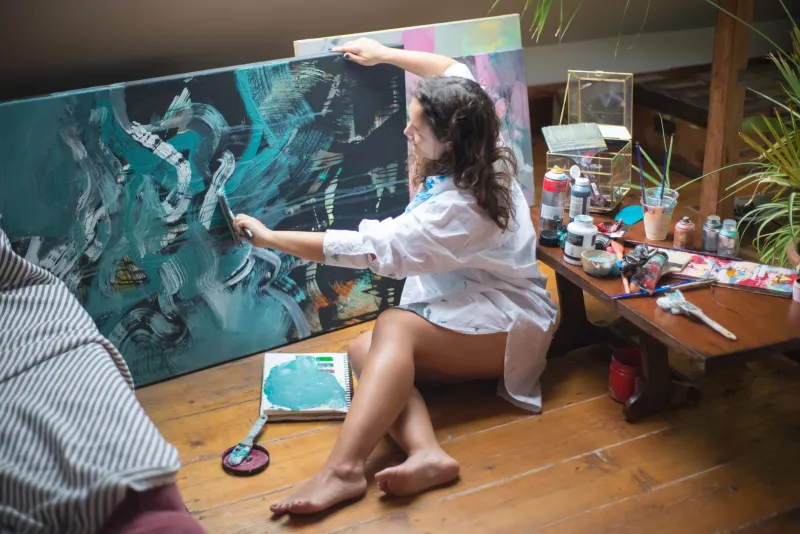
In the visual art world, the traffic flows both directions. Painters and illustrators are increasingly scoring their own work with original compositions, releasing albums that function as companion pieces to gallery shows or zine projects. The boundaries aren't just blurring — for a lot of younger creators, they never really existed.
So What Does This Mean for How You Build Your Own Creative Voice?
If you're a creator — whether you're a musician, a visual artist, a writer, or some combination of all three — this trend carries some practical implications worth sitting with.
Start with the feeling, not the format. The artists doing this most effectively aren't thinking "I'm going to make a song and then add visuals to it." They're starting with an emotional or narrative core and asking what combination of mediums best expresses it. That's a fundamentally different creative process, and it tends to produce more cohesive work.
Let your mediums talk to each other. If you make music and you also paint, the interesting question isn't "how do I promote my music with my art?" It's "what happens when these two things are genuinely in conversation?" Sometimes the answer is nothing obvious. But sometimes you find a visual language that unlocks something in your sound, or vice versa.
Borrow from outside your discipline. Musicians who study film editing think differently about pacing. Visual artists who study music theory think differently about rhythm and negative space. Deliberately cross-pollinating your influences tends to produce work that feels original, because most people in your primary field haven't been reading the same things you have.
Accept that the audience is smarter than you think. One of the persistent anxieties around multimedia work is that it's "too much" or "too confusing." But audiences — especially younger ones — are incredibly sophisticated about navigating layered creative experiences. They grew up with video games that tell stories through environment design, with albums that function as films, with social media feeds that are curated aesthetic experiences. They can handle complexity.
The Experience Economy Meets the Art World
There's also a practical dimension to all of this that's worth acknowledging. In an era where recorded music is essentially free and individual artworks can be replicated infinitely, the thing that has genuine scarcity and value is experience. The immersive concert. The installation you have to be physically present for. The project that exists across multiple mediums simultaneously and rewards people who engage with all of them.
Artists who are building cohesive creative worlds — rather than just releasing individual products — are also building something that's much harder to commodify or replicate. That's not a cynical observation. It's actually kind of liberating. It means the most sustainable creative strategy might also be the most artistically authentic one: go deep, go weird, and build something that could only come from you.
Björk figured this out a long time ago. A whole generation of artists is catching up. And honestly? It's a great time to be paying attention.