Your Best Work Got 12 Likes. A Blurry Selfie Got 4,000. Here's What That Actually Means.
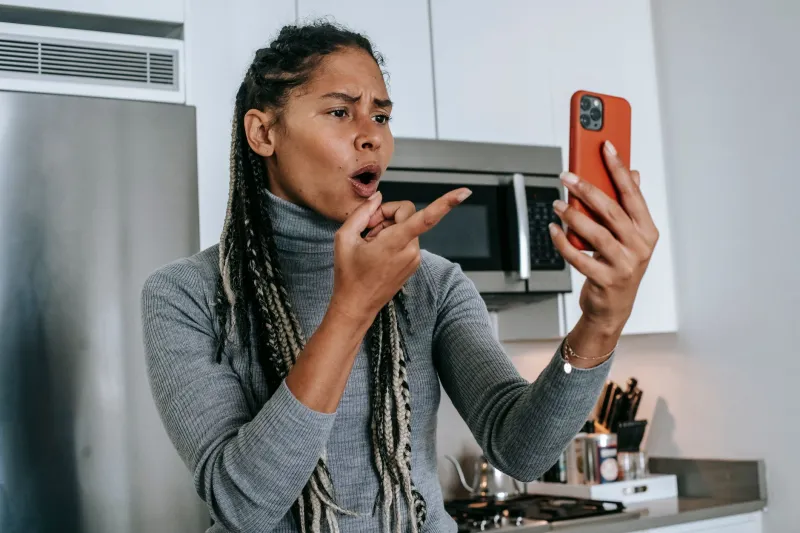
You spent six weeks on it. Mixed it fourteen times. Repainted the background three times before you were happy. Wrote and rewrote the caption so it actually said something real. You posted it. You waited.
Twelve likes. One comment from your mom.
Then two days later, you posted a blurry photo of your coffee and your sketchbook, didn't even think about the caption, and woke up to 4,000 likes and 200 new followers.
If this has happened to you — and if you're a working creative with any kind of social presence, it almost definitely has — you've probably felt that specific mix of confusion, frustration, and low-key existential dread that comes with realizing the internet seems to actively resist your best work. You're not being paranoid. The platforms really are built this way. But understanding why is the first step to figuring out what you're actually going to do about it.
Why Platforms Reward the Raw Over the Refined
Here's the uncomfortable psychology at the center of all of this: audiences don't engage with finished things the way they engage with unfinished ones. Polished, complete work creates a kind of distance. It signals that the creator has arrived somewhere, that the journey is over, that there's nothing left to participate in. Raw, imperfect, in-process content does the opposite — it invites people in. It says you're watching something happen, and that feeling of witnessing is incredibly powerful.
This isn't a new phenomenon. Reality TV built an entire industry on it. Behind-the-scenes footage has always outperformed the finished film for exactly this reason. But social media has turbocharged it in a way that specifically punishes the kind of work that takes real time and craft to make.
The algorithm — whether we're talking about Instagram, TikTok, YouTube, or wherever you're living right now — optimizes for engagement signals: saves, shares, comments, watch time, immediate interaction in the first hour of posting. Intricate, thoughtful work often doesn't generate those signals fast enough. It requires attention and patience from the viewer, two things that are in extremely short supply on a platform designed to make you scroll forever.
Simpler, more emotionally immediate content — the candid shot, the two-second clip, the unfiltered take — triggers faster emotional responses. People react before they even process what they're reacting to. The algorithm reads that as a win and pushes the content further. Your six-week project never had a chance to compete in that environment.
The Pressure to Dumb It Down
Here's where it gets genuinely dangerous for artists: the obvious conclusion from all of this is that you should just make simpler stuff. And a lot of creatives, especially early in their careers when the pressure to grow an audience feels enormous, start making decisions based on what they think the algorithm wants instead of what they actually want to make.
That's a trap. Not a moral one — nobody's judging you for wanting an audience — but a practical one. Because the second you start optimizing your creative output for platform performance, you're no longer making art. You're making content. And content is a race to the bottom that you will never win, because there will always be someone willing to go further, be more sensational, be more immediately gratifying than you are.
The musicians and visual artists who've built genuinely lasting careers — the ones who have real, loyal audiences that follow them across platforms and across years — almost never got there by chasing trends. They got there by being so specifically, recognizably themselves that people sought them out. That takes longer. But it's the only thing that actually holds.
What Independent Artists Are Actually Doing Instead
So if the mainstream social algorithm is stacked against complex work, what are the options? Turns out, quite a few — and some of the most interesting ones involve bypassing the algorithm altogether.
Email lists are having a serious moment. Independent musicians, writers, and visual artists are increasingly treating email newsletters as their primary audience relationship — not social media. Platforms come and go, algorithms change, accounts get shadowbanned for no apparent reason. An email list is yours. Nobody can take it away. Artists like Amanda Palmer built their entire career model on direct fan relationships, and a new generation of independents is doing the same thing through platforms like Substack and Mailchimp.
Community over broadcast. Discord servers, Patreon communities, even private Facebook groups — spaces where an artist's most invested fans can gather, talk, and get access to things the general public doesn't see. The people in those spaces aren't casual scrollers. They're genuinely invested, and they share things because they care, not because an algorithm surfaced it for them.
Strategic use of "raw" content as a doorway. This is the nuanced move that some artists are getting really good at: using the kind of casual, in-process content that performs well algorithmically as an entry point to the deeper work. A 15-second clip of you working on a painting can bring someone into your world in a way that a perfectly photographed final piece might not. The trick is making sure that once someone's in the door, they find the real work waiting for them.
Playing the long game with SEO. YouTube is still the second largest search engine in the world. A thoughtful, well-made video essay about your creative process — one that actually answers questions people are searching for — can bring in viewers for years after it's posted. That's a fundamentally different model than the dopamine cycle of daily posting.
Rethinking What "Success" Even Looks Like
Maybe the most important reframe is this: likes and follower counts are metrics designed by platforms to keep you on the platform, not metrics that actually measure the impact of your work.
That painting that got 12 likes? One of those 12 people might have cried looking at it. One of them might have bought it. One of them might have sent it to a friend going through something hard and said this is exactly how I feel. That's not a small thing. That's the whole point of making art.
The algorithm doesn't know how to measure that. It doesn't care to. But you should — because that's the kind of connection that builds something real over time, something that no platform update can take away from you.
Keep making the complicated thing. Keep putting the care in. Just get smarter about how you let people find it.